WHAT WE DO

The network fosters the exchange of resources and practices that help advance UACS partnerships. Activities include:

  • Hosting and co-hosting virtual meetings and in-person conferences;
  • Providing technical assistance and resources for university, school and community partners seeking to build and/or strengthen UACS programs; and
  • Hosting site visits by request. For example, the Netter Center regularly hosts site visits for colleagues from around the country and globe who are interested in learning from and adapting the Center’s work.

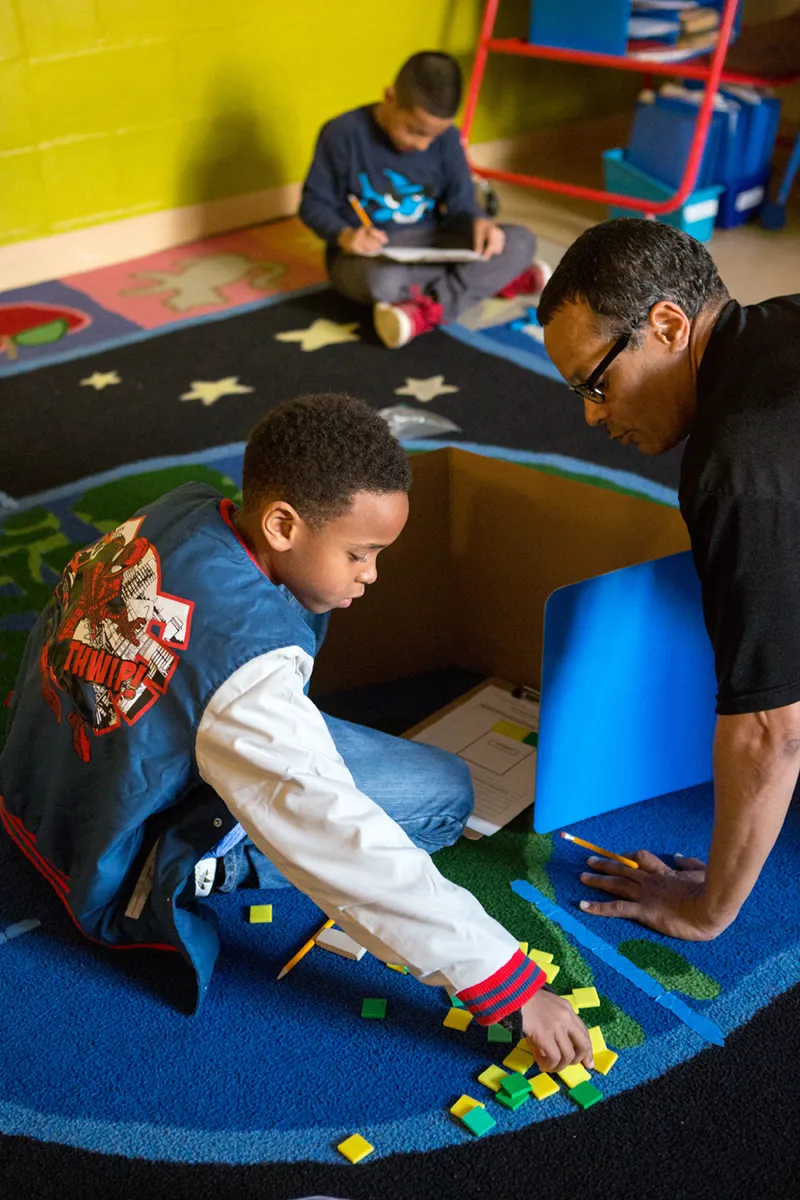
Two students in a classroom working on a project together
Teacher working with student

How do we work together?

Topics of conversations include but are not limited to

  • How can leaders of UACS from across the country best share different strategies and practices and most effectively learn from each other and collaborate;
  • How all components of colleges and universities can be mobilized in mutually beneficial and mutually transformational partnerships with UACS; this includes all schools (Penn has 12, for example), all co-curricular departments (e.g., civic engagement offices, athletics, libraries, dining services, etc.), and all corporate/business offices (e.g., facilities, human resources, development and alumni relations, etc.);
  • How to mobilize and coordinate the wide variety of higher education faculty, administrators, staff, undergraduate and graduate students, and alumni working with school and community partners to share and adapt UACS practices around shared values;
  • How to connect university research, teaching, and learning with K12 teaching and learning, including through school day, after school, and summer programming; this often includes academically based community service (ABCS) and service learning courses as well as other forms of community-engaged scholarship;
  • How can a university best fulfill the roles of lead partner, intermediary, or initiative leader in a community school;
  • How leveraging braiding and blending funding can support comprehensive community school programming;
  • How researching and evaluating different models of UACS can inform practice;
  • How to position UACS in the policy and reform landscape, and within current education initiatives, from K-16+.